April 3–5, 2027. America’s Beauty Show

-
Products
-
-
-
Shop by Category
-
-
-
Products
-
-
Blog Search
Blog
-
-
 Waxness Wins the 2026 ASCP Skin Deep Readers' Choice AwardRead more ...
Proudly voted Best Hair Removal Line of 2026.
-

-
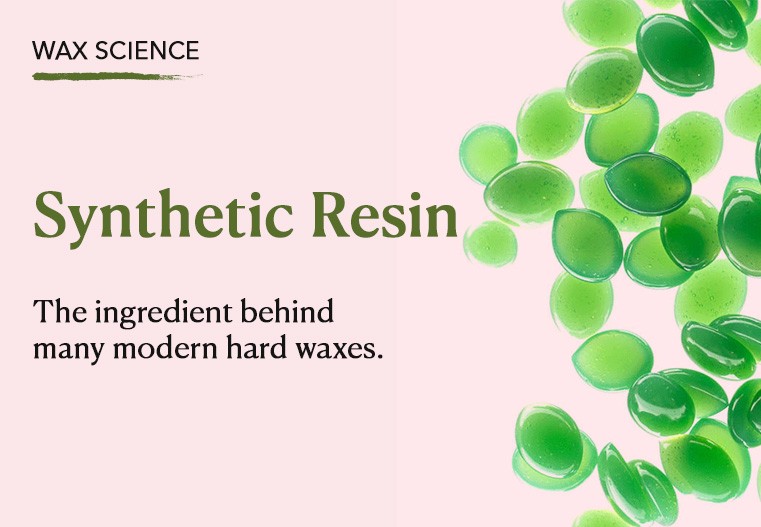 Synthetic Resin. The ingredient behind many modern hard waxes.Read more ...
Most estheticians use it. Few know what it is. It's called synthetic resin.
-
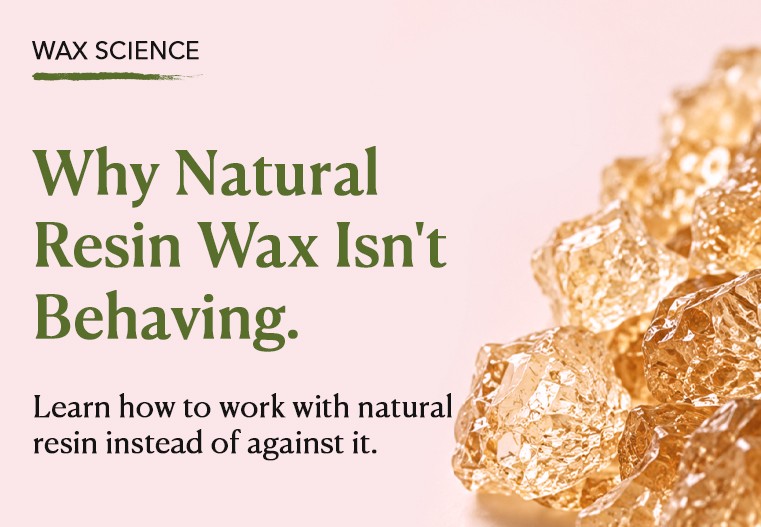 Why Does Natural Resin Wax Break?Read more ...
Few things are more frustrating than applying a beautiful strip of wax only to have it crack, snap, or break during...
Popular posts
-
 REFERRAL PROGRAM – SPREAD THE NEWS AND GET REWARDSAre you currently using our wax and you are happy with it? We would like to reward you for your fidelity. If you tell...Read more ...
 -
 Waxing versus sugaring. Who's the winner?Waxing is preferred by most beauticians. But lately the sugaring is in fashion. Why? Does it worth switch from waxing...Read more ...
 -
 What is in your wax?Wax is becoming increasing popular each year. Naturally more brands have appeared...Read more ...
 -
-
 How to avoid Bumps, Ingrown Hair, Acne and Irritation after WaxingNo matter what the hair removal procedure is chosen, any woman expects to get a smooth and beautiful skin....Read more ...
Featured posts
-
-
Waxness Wins the 2026 ASCP Skin Deep Readers' Choice AwardProudly voted Best Hair Removal Line of 2026.Read more ...
-
-
Synthetic Resin. The ingredient behind many modern hard waxes.Most estheticians use it. Few know what it is. It's called synthetic resin.Read more ...
-
Why Does Natural Resin Wax Break?Few things are more frustrating than applying a beautiful strip of wax only to have it crack, snap, or break during...Read more ...
Blog tags
Depilatory creams VS Waxing. Which is better?
Because hair removal has a long history, and most of today’s methods have been used for hundreds or thousands of years, hair removal methods are unlikely to change. The product you prefer should be the one that fits your needs the best. Our goal is to provide you with the knowledge to make an informed choice.
In this article, we will explain hair removal methods and the advantages and disadvantages as we see them.
It is a common misconception that chemical remover creams are something new. Like sugaring and waxing, chemical removers have ancient roots too. More than 6,000 years ago in Asia Minor people used hair removal products made with quicklime. American Indians applied lye to get rid of the body hair. Lye and quicklime hydrolyze nitrogen amide bond in hair proteins, breaking bristles down. This procedure of disintegrating the hair is used in some other domains like hair bleach or household products. Drain clog removers work in the same way.
The active ingredient in modern depilatory creams is potassium thioglycolate or calcium thioglycolate. To simplify, calcium thioglycolate attacks hair keratin strands in such a way that the hair degrades completely and can simply be wiped away. But in order for the active ingredient to reach the keratin strands and dissolve them the keratin fibers need to be open. For this purpose calcium hydroxide (lime), potassium (caustic potash) or sodium hydroxide (caustic soda) are used. They cause the hair to swell and open the keratin fibers. A derivative of lime (hydrogen peroxide) is used in bleaching the hair.
Facts comparison CREAMS versus WAX
-CREAMS are convenient and work fast. In about 10 minutes the hair starts degrading and falling out. WAX works instantly but takes more time for preparation
-CREAMS are relatively inexpensive. WAX is also inexpensive but as results last up to 4 weeks, it is used 4 times less often than creams on average. This saves time and money
-In order to disintegrate the hair CREAMS use harsh chemicals like caustic soda. Due to this they are not indicated for sensitive skin. New generations of WAXES like Waxness Bikini Lotus are extremely delicate and created especially for sensitive skin
-CREAM hair removers can cause chemical burns for some people. They should be used according to their directions to minimize risk. New generations of WAX do not adhere to the skin thus they are unlikely to cause any harm
-CREAMS do not remove the hair from the root but from the surface, therefore they do not have lasting results and need to be re-used often. WAXES remove the hair from the root with results that can last up to 4 weeks. After waxing the hair grows thinner and less often
-CREAMS have a strong odor that most people find very unpleasant. One by-product of the caustic soda reaction with Keratin disulfide bonds is hydrogen sulfide, which smells like rotten eggs. WAX will have either a resin scent, no scent or added pleasant scent depending on the type of wax used
-CREAMS are loaded with harsh chemicals. They may be absorbed in your skin and cause irritation. Depending on the type, WAXES can be made from natural resin or synthetic polymer resin that does not interact with the skin in any way.
Posted in:
Education
Related posts
-
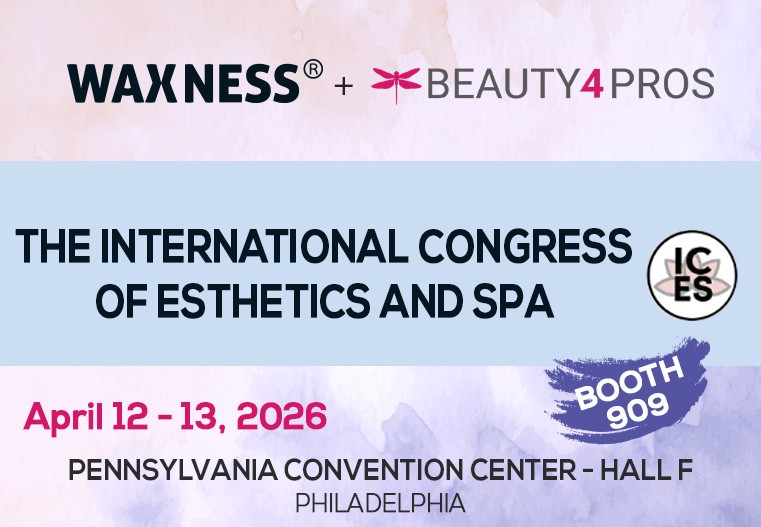 ICES Pennsylvania, PhiladelphiaApril 12 - 13, 2026. International Congress of Esthetics and Spa, Philadelphia!
 -
What is wax crystallization?How can affect your waxing business and solutions.
-
 Less Pain When WaxingWaxing is a nightmare for all women, but a few simple tricks can help you significantly reduce the pain during...
 -
 Which wax & What heater?Often beginner estheticians are confused in choosing the right wax and the correct heater. Here is a mini guide.
 -
Waxing versus sugaring. Who's the winner?Waxing is preferred by most beauticians. But lately the sugaring is in fashion. Why? Does it worth switch from waxing...